OFF_RAW
I want to introduce our model, which is based on intervening in local factories to identify unused by-products and give them a new life cycle within the value chain. We operate as a bridge between industrial surplus and social scarcity. If a factory has an excess of resources (defective production), and an organization lacks authentic value, we close that gap. We see ourselves as a kind of industrial “mycelium” — transforming excess industrial material into the cultural “soil” of civilization.
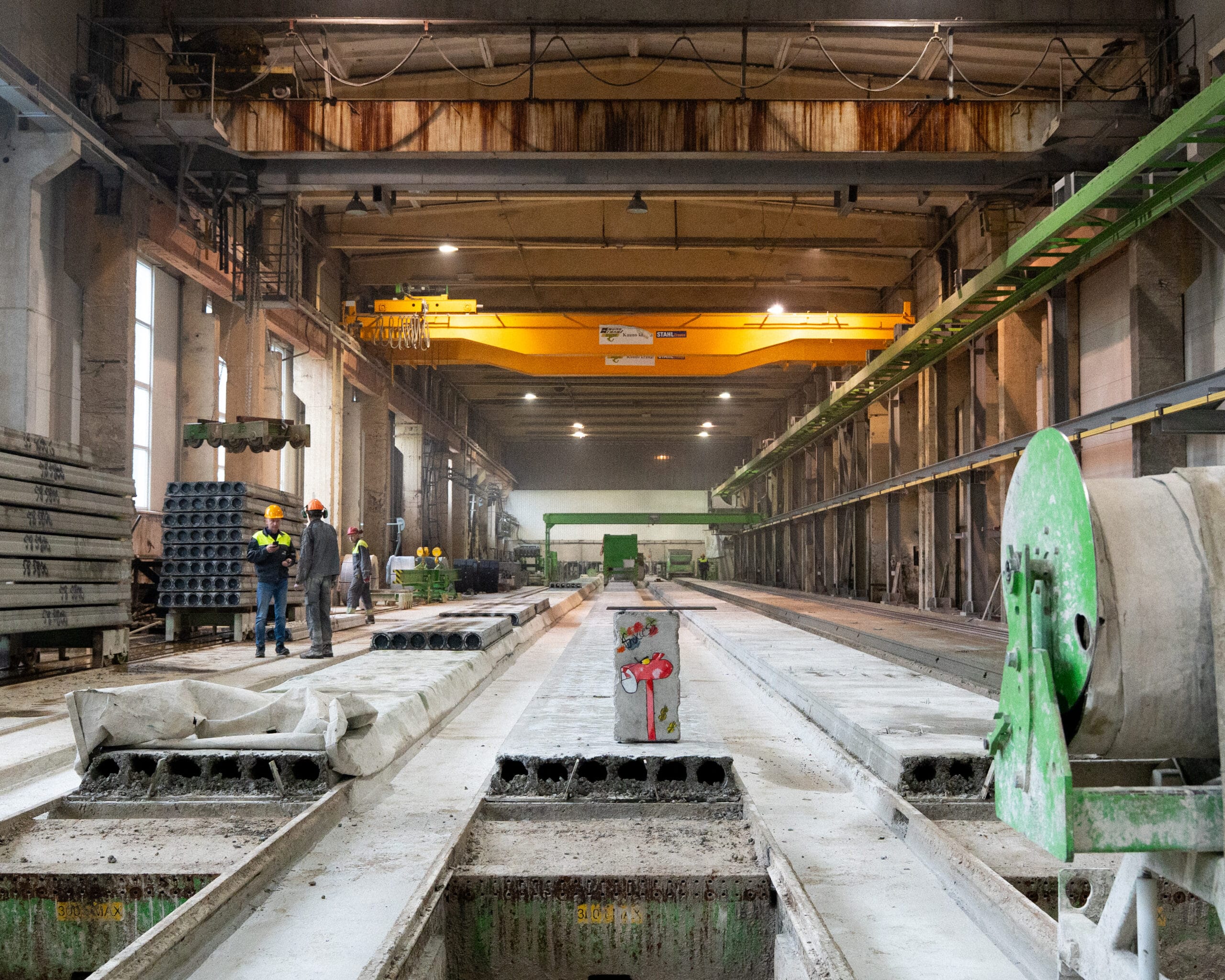
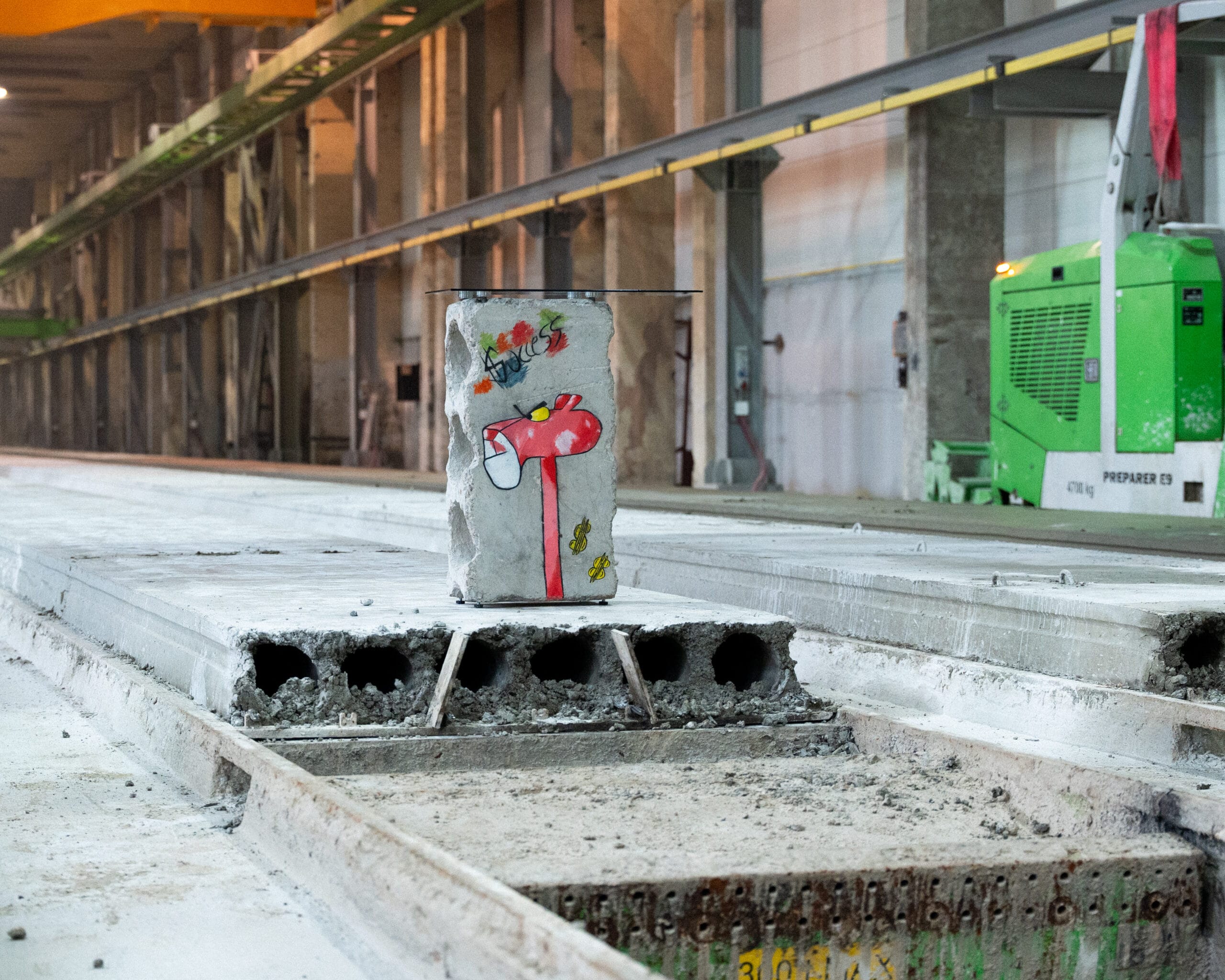
Wall cladding production line.
Case Study — Kauno Gelžbetonis
One example of our model is our intervention at the large-scale industrial factory Kauno Gelžbetonis, a Lithuanian manufacturer of massive construction components such as wall slabs, floor panels, and concrete well elements.
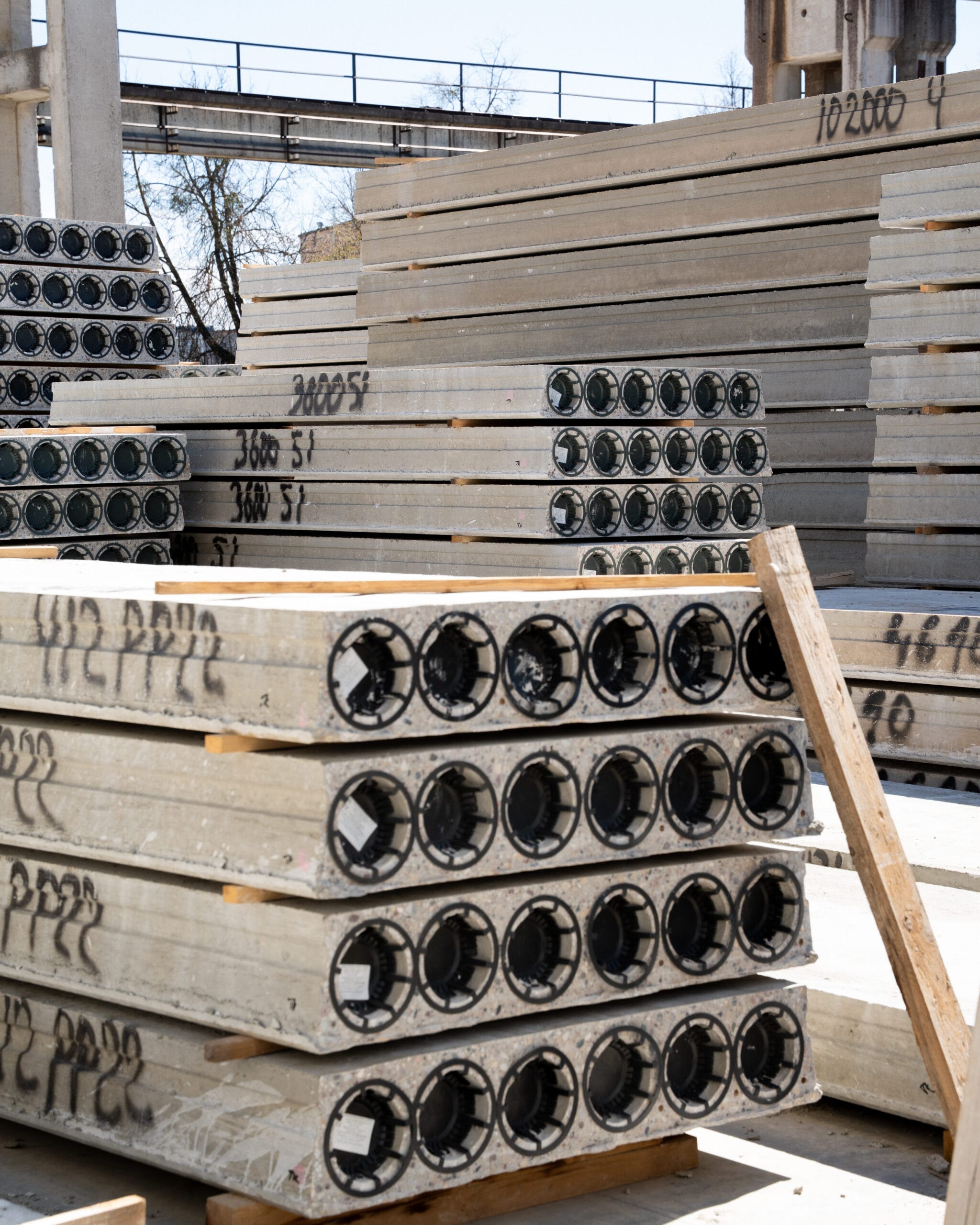
Stored wall cladding segments.
Defective Products in the Conventional Waste Chain
The daily operations of this factory inevitably produce defective products, which are treated as waste in the standard chain and transported for disposal.
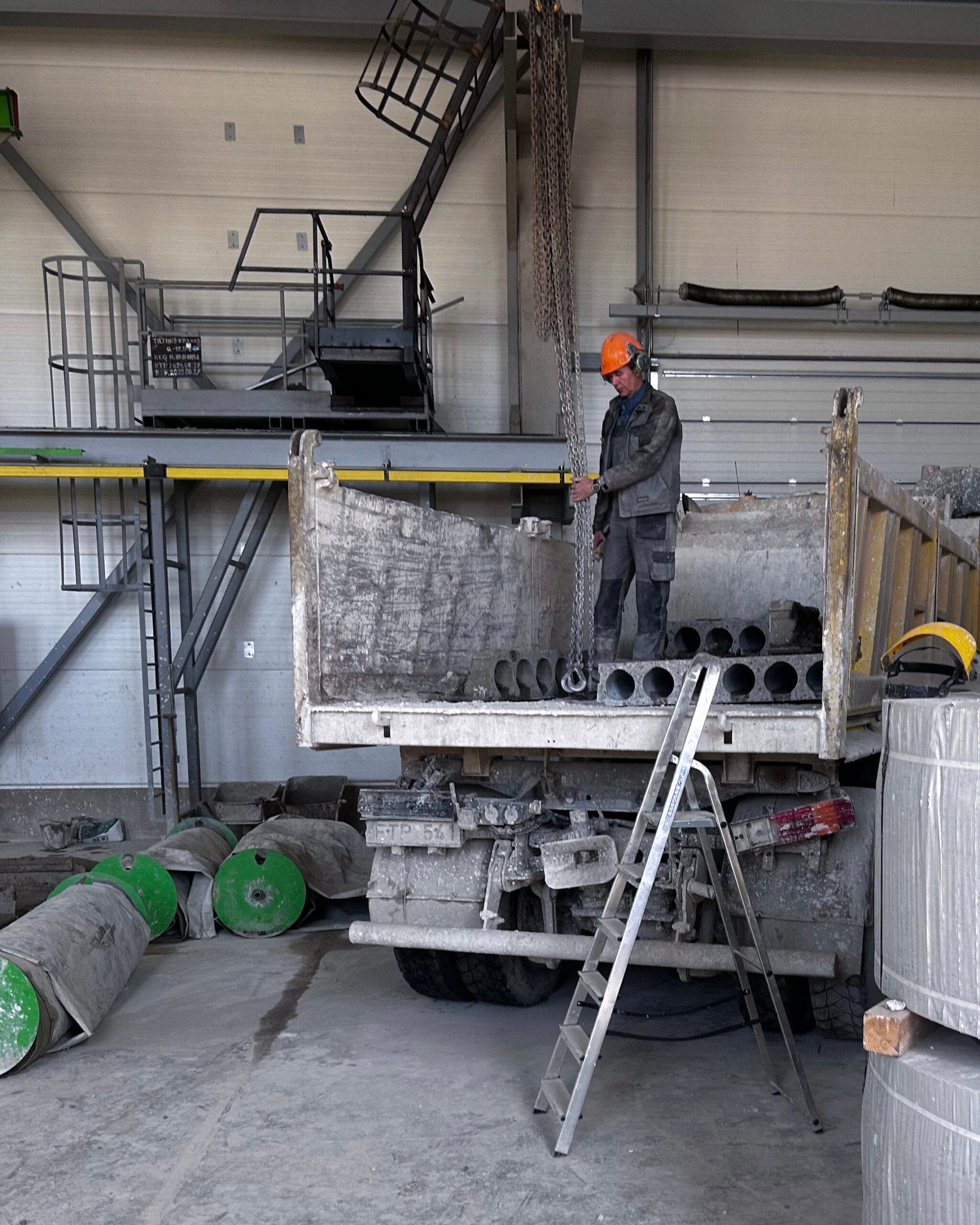
Transportation of defective segments to the waste disposal site.
This Is Not Recycling — It Is Repurposing
We saw the potential to activate this industrial waste in an entirely different context, without destroying or reshaping it — simply by assigning it a new function. We eliminate the energy-intensive recycling process entirely: no crushing, grinding, or melting. The material already has its form, weight, and structural strength. We take it exactly as it is, meaning the production energy required is practically zero.
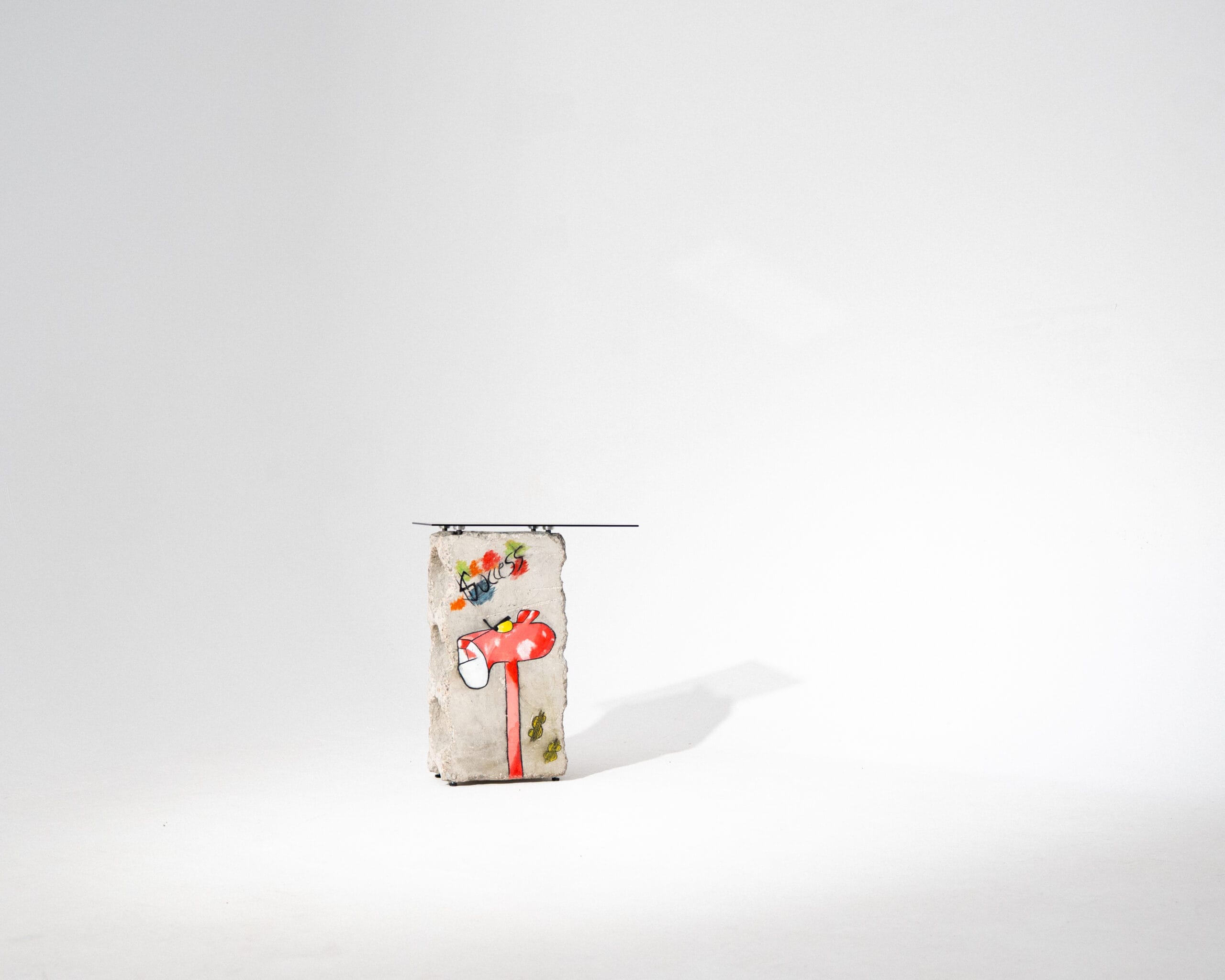
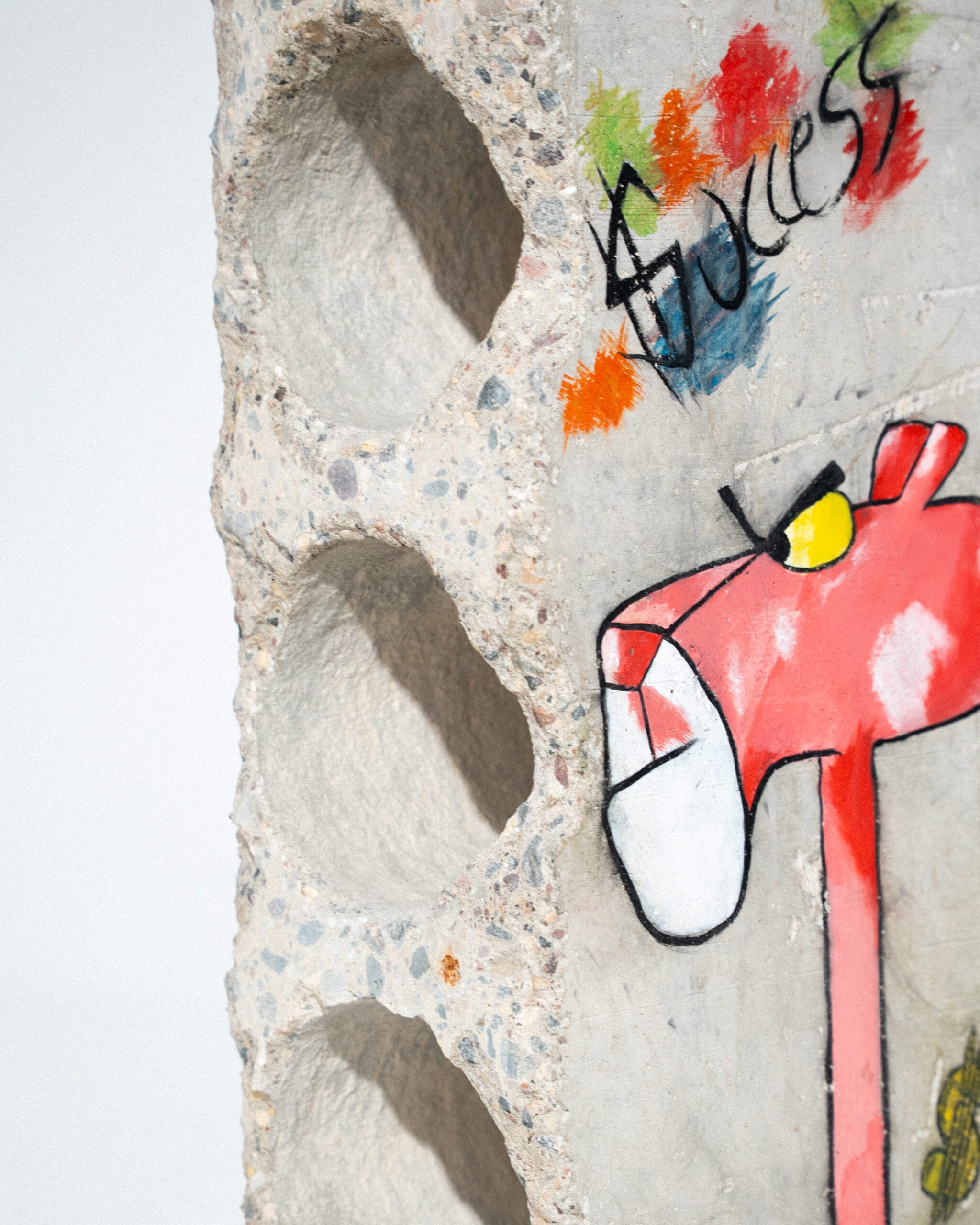
Rendering of materials and created objects in a photo studio.
Capturing Raw Material at the Beginning of the Cycle and Preserving CO₂
We intercept the material directly within the production cycle itself. This means it never reaches waste-processing facilities, avoiding unnecessary transportation, labor, and disposal resources.
We also preserve the CO₂ and “frozen carbon” already embedded in the material. By preventing disposal, we avoid the enormous energy use and additional emissions required to break down and process the raw material. Instead of becoming low-value road filler through downcycling, it becomes a high-value object through upcycling.
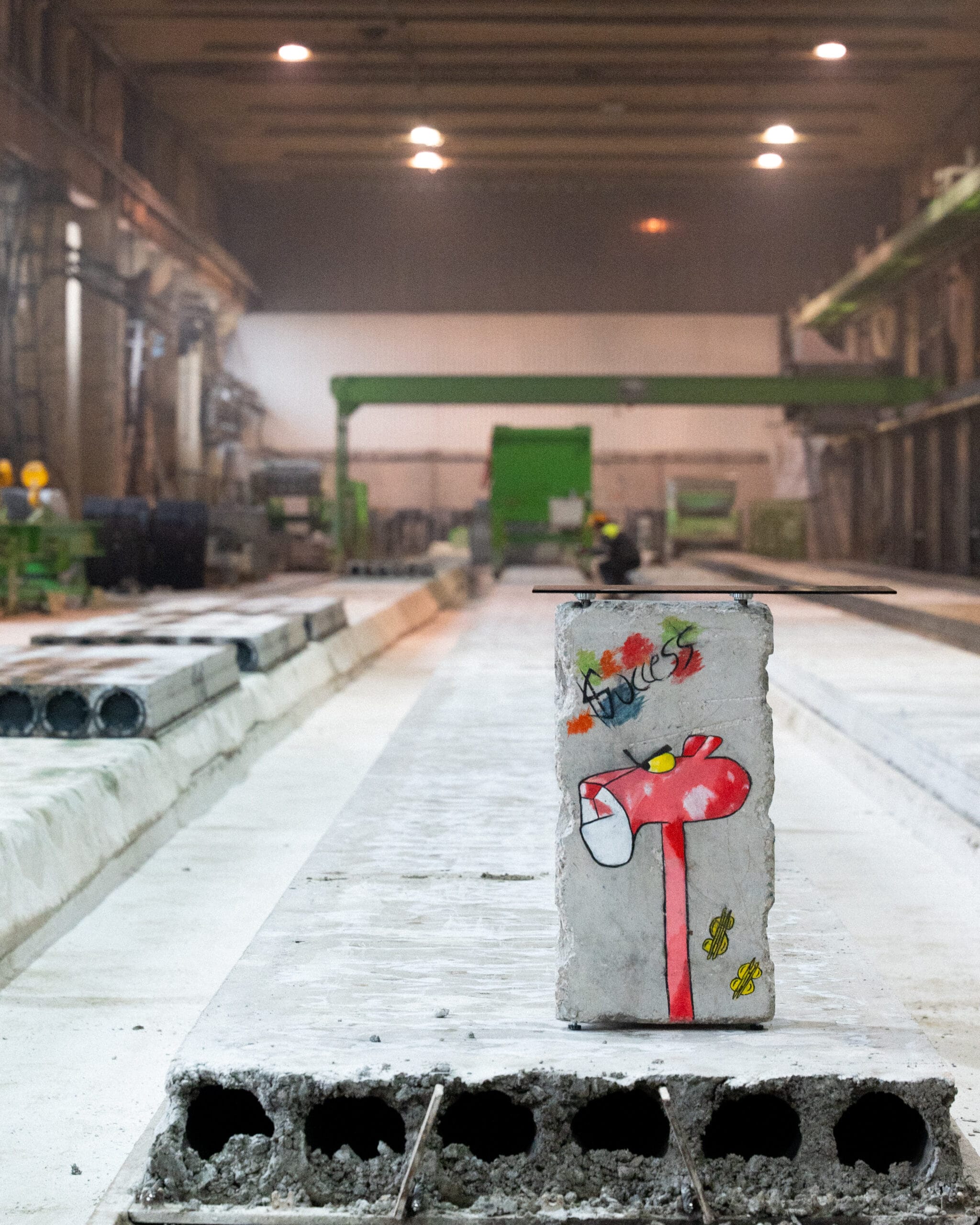
The production line from which the object was created. From this “defect”.
Defect as a Mark of Authenticity, Aesthetics, and Uniqueness
We enhanced the preserved industrial forms with elements of urban culture and graffiti. This created a visual identity that cannot be replicated, because each production “defect” is a unique and accidental occurrence.
It is a direct response to mass production: the more honest an object is in its “imperfection,” the more meaningful and timeless it becomes. That, to us, is real sustainability.
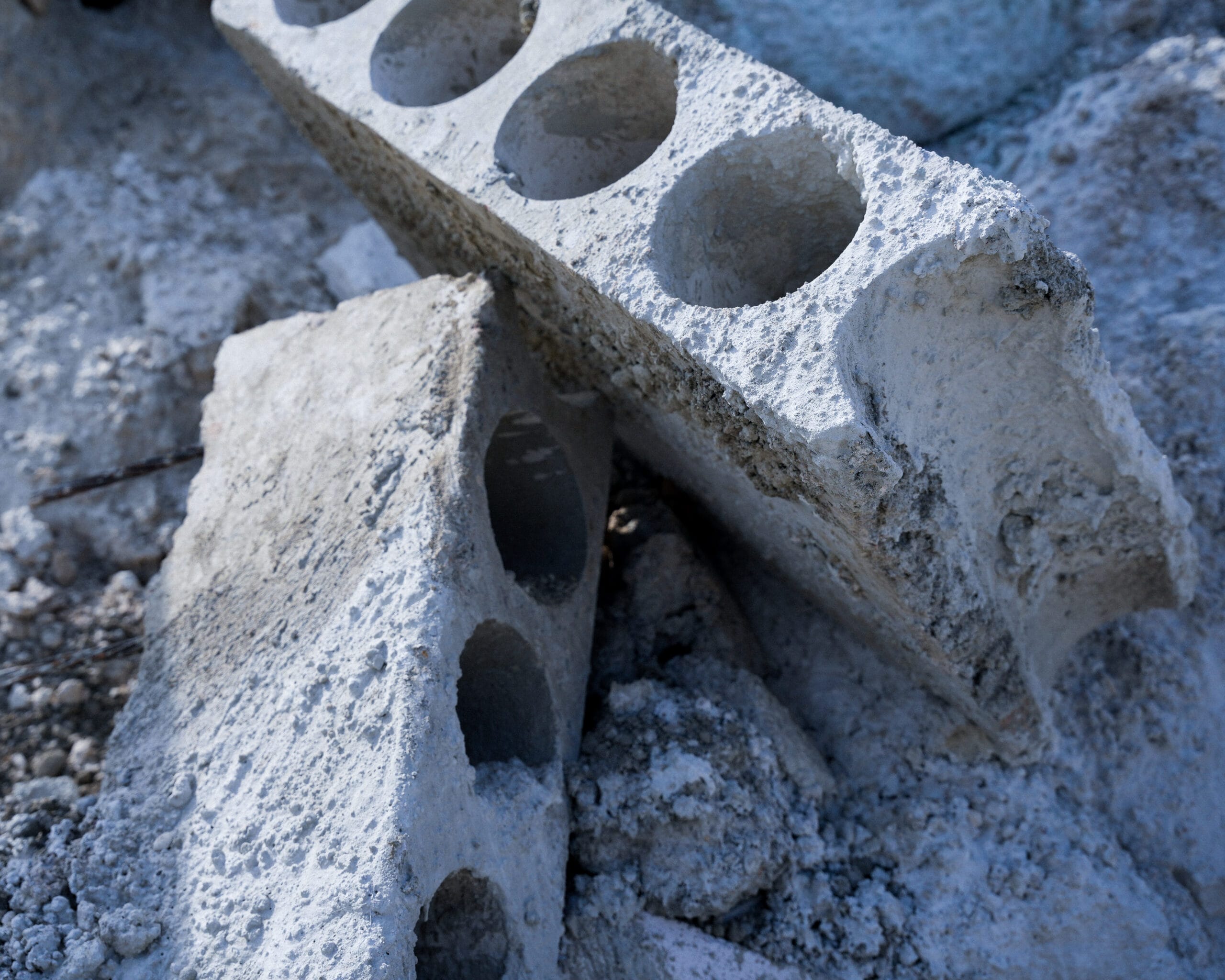
By-products in the waste site.
We Do Not Just Create Objects — We Create Their Role Within a System
Closed-Loop Thinking and Social Impact
Most importantly, we do not leave these objects without purpose. We integrate them into active organizations and public spaces, creating a functioning closed-loop system.
Industrial Waste as a Space That Builds Emotion and Urban Identity
For example, using industrial waste from the same city, we created a virtual café interior. The space became a distinctive destination, shaping a recognizable identity unique to that city.
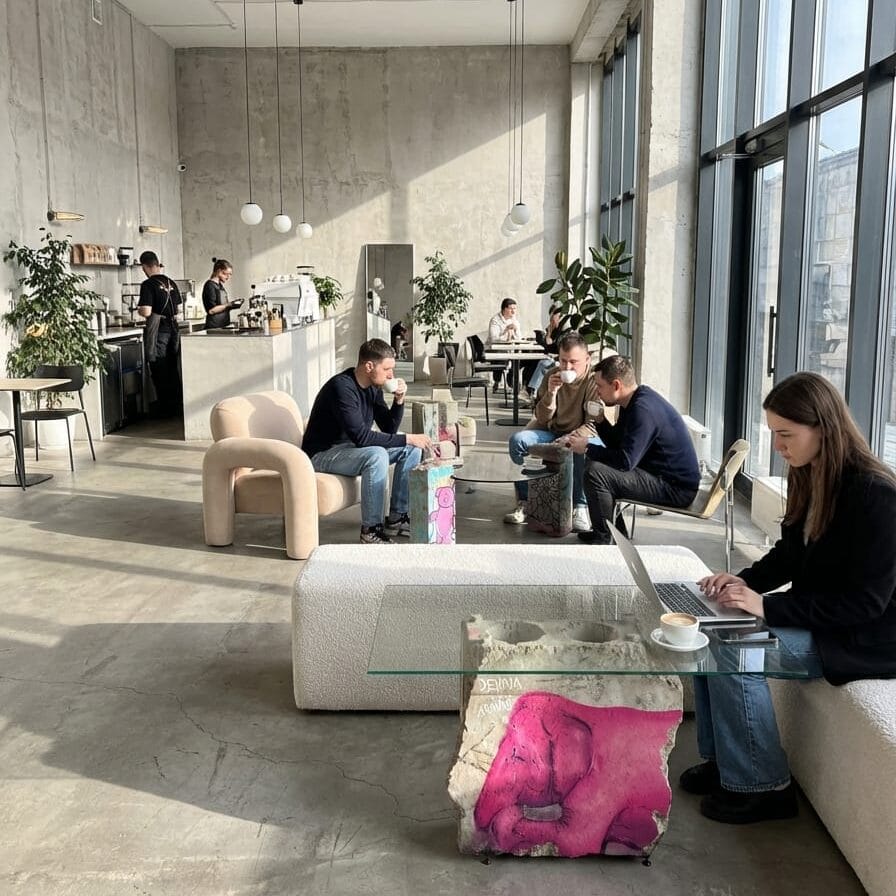
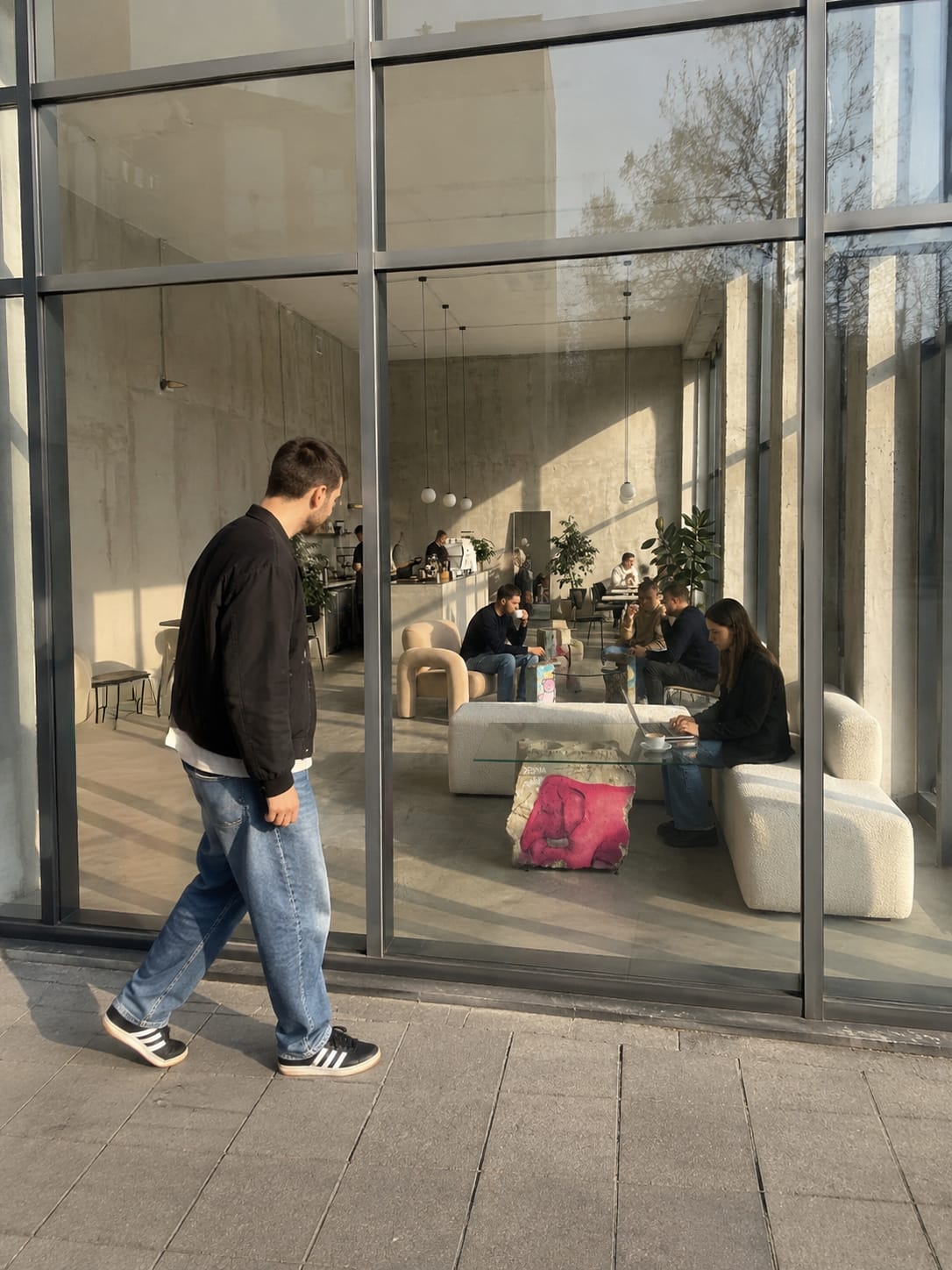
Virtual cafe and its interior created from concrete by-products.
Education Through Direct Human Interaction With Material
Through direct interaction with the material, café visitors are naturally educated. They begin to see the real potential of repurposing and rethink what was previously considered “waste.”
This is a complete ecosystem: the existing form generates a process, and the process generates a new application for what was once discarded material.
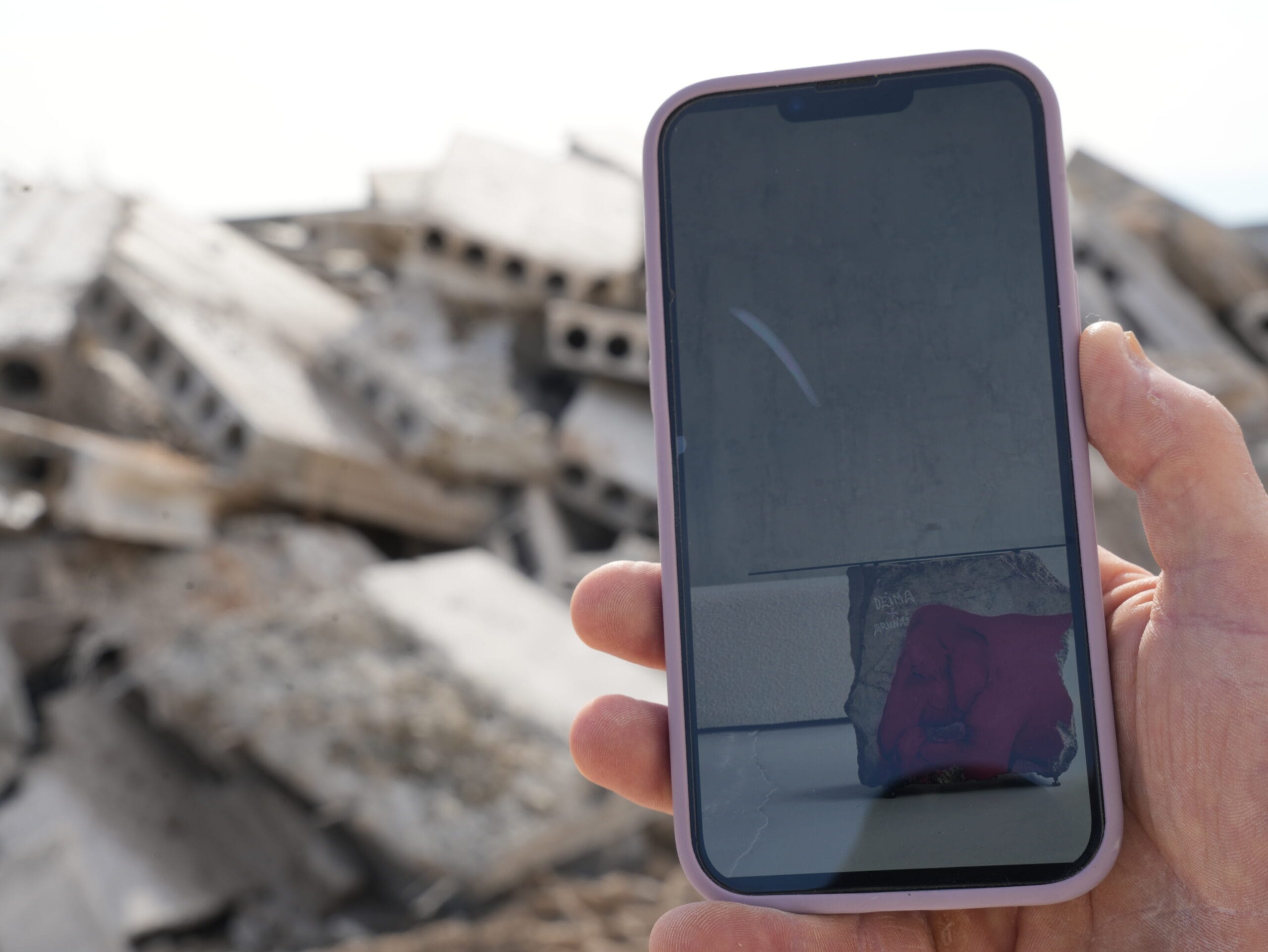

A demonstration of the potential value that ‘Waste’ can create.
Innovation Is Not About Creating Something New — It Is About Redirecting What Already Exists
The OFF_RAW model proves that civilization can operate as harmoniously as nature, if it finds intelligent ways to redirect what has already been created.
Unlike conventional practice, we do not alter the form. We take industrial defects exactly as they emerge and assign them new function, meaning, and aesthetics.
This demonstrates that true innovation is not about inventing something entirely new, but about intelligently redirecting existing resources. By “capturing” material at the very beginning of the cycle — directly inside the factory — preserving its embodied CO₂, and reintegrating it into society through education and human engagement, we create a new system of value.
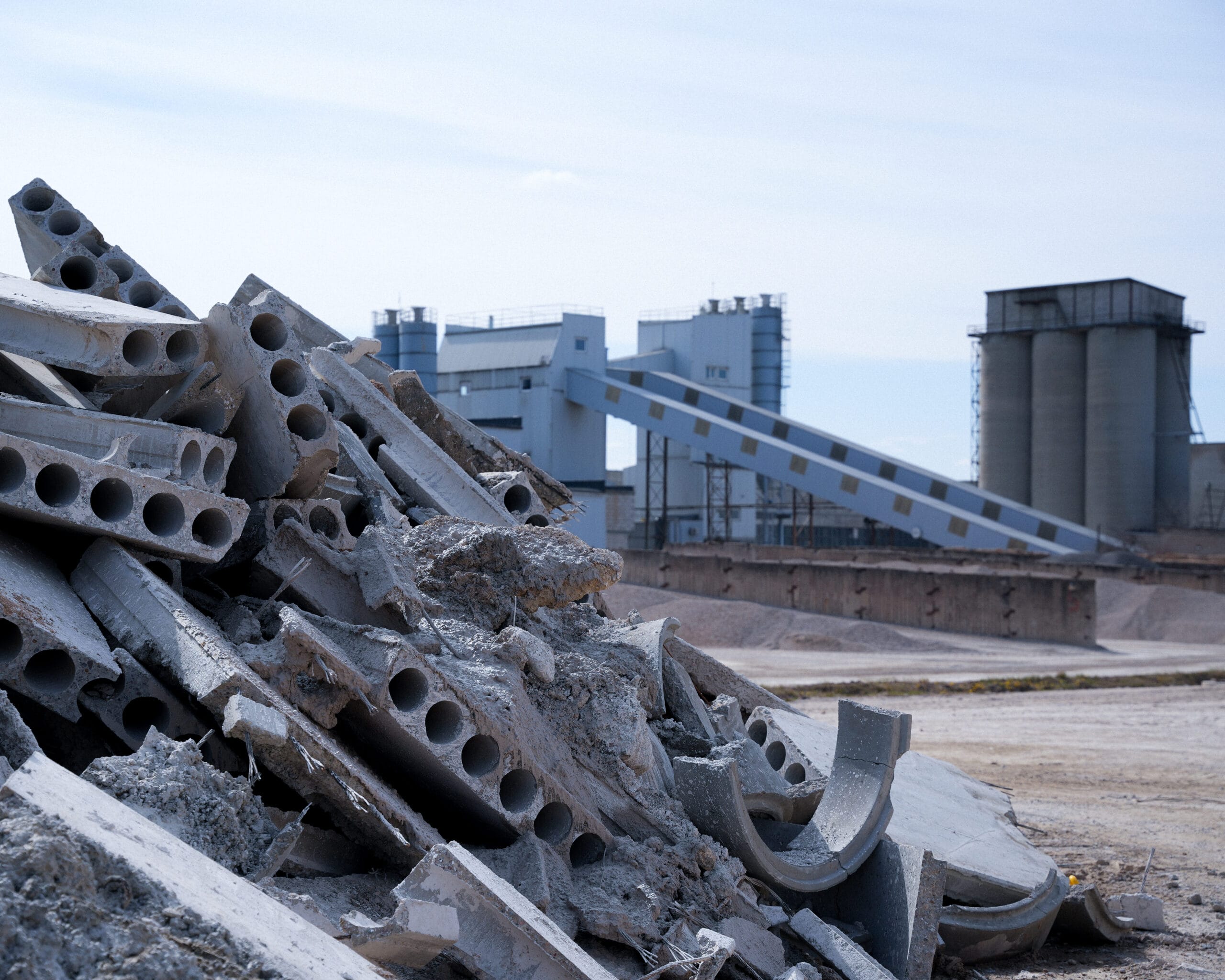
Concrete waste near the reinforced concrete plant.
Design as a Tool for Revealing Invisible Value
We are not changing the material itself — we are changing the way people perceive it. Design becomes a tool for revealing value that was previously invisible.
By changing context and introducing aesthetics, we create new value and encourage systems to recognize the worth of their own “mistakes.” Organizations begin to understand how design can optimize industrial processes while also generating reputational, aesthetic, and ESG value.
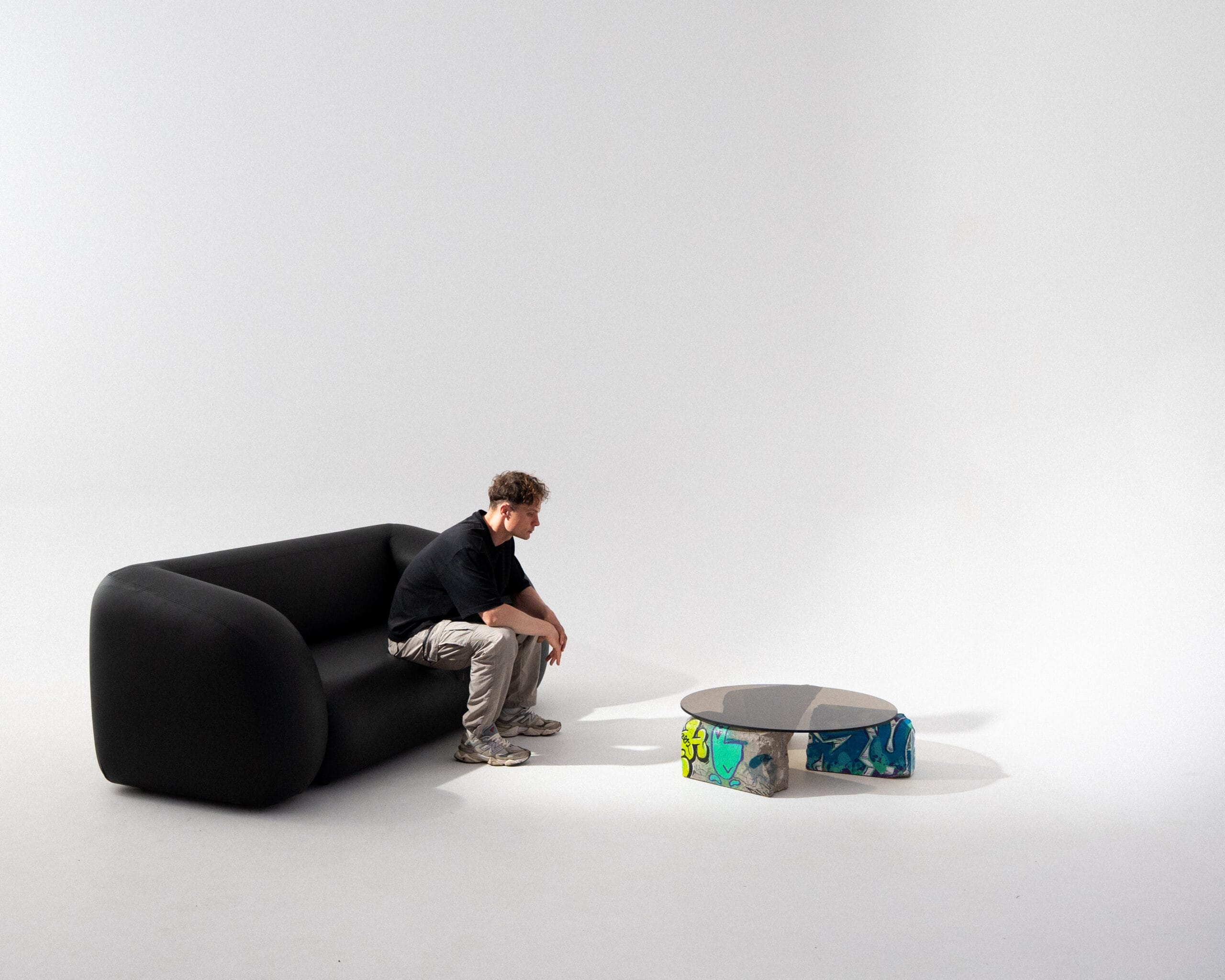
A table in the studio made of concrete segments.
A New Economic Cycle From What Was Once Considered Loss
When “defective” raw material becomes a prestigious interior element, an entirely new economic cycle begins. We create demand for what was previously seen only as loss.
Efficiency here is measured not by what we produce, but by what we choose not to destroy.
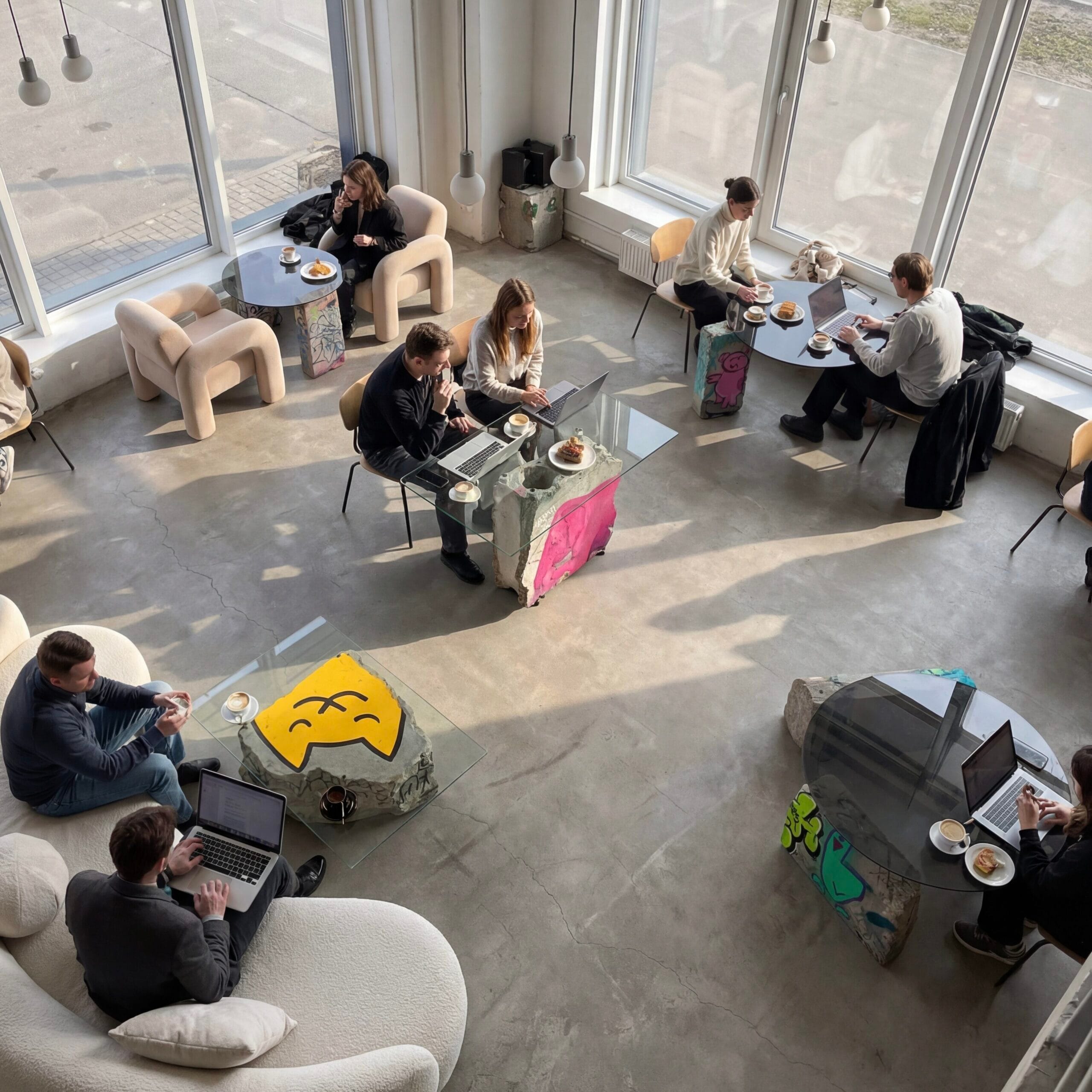
Products created in the commercial space.
OFF_RAW as Mycelium
The OFF_RAW model does not function like a linear business. It operates more like a natural mycelium network. In nature, waste does not exist because mycelium connects organisms and transfers resources wherever they are needed.
Our model works the same way: instead of inventing new materials, we give existing ones a new, high-value purpose.
OFF_RAW